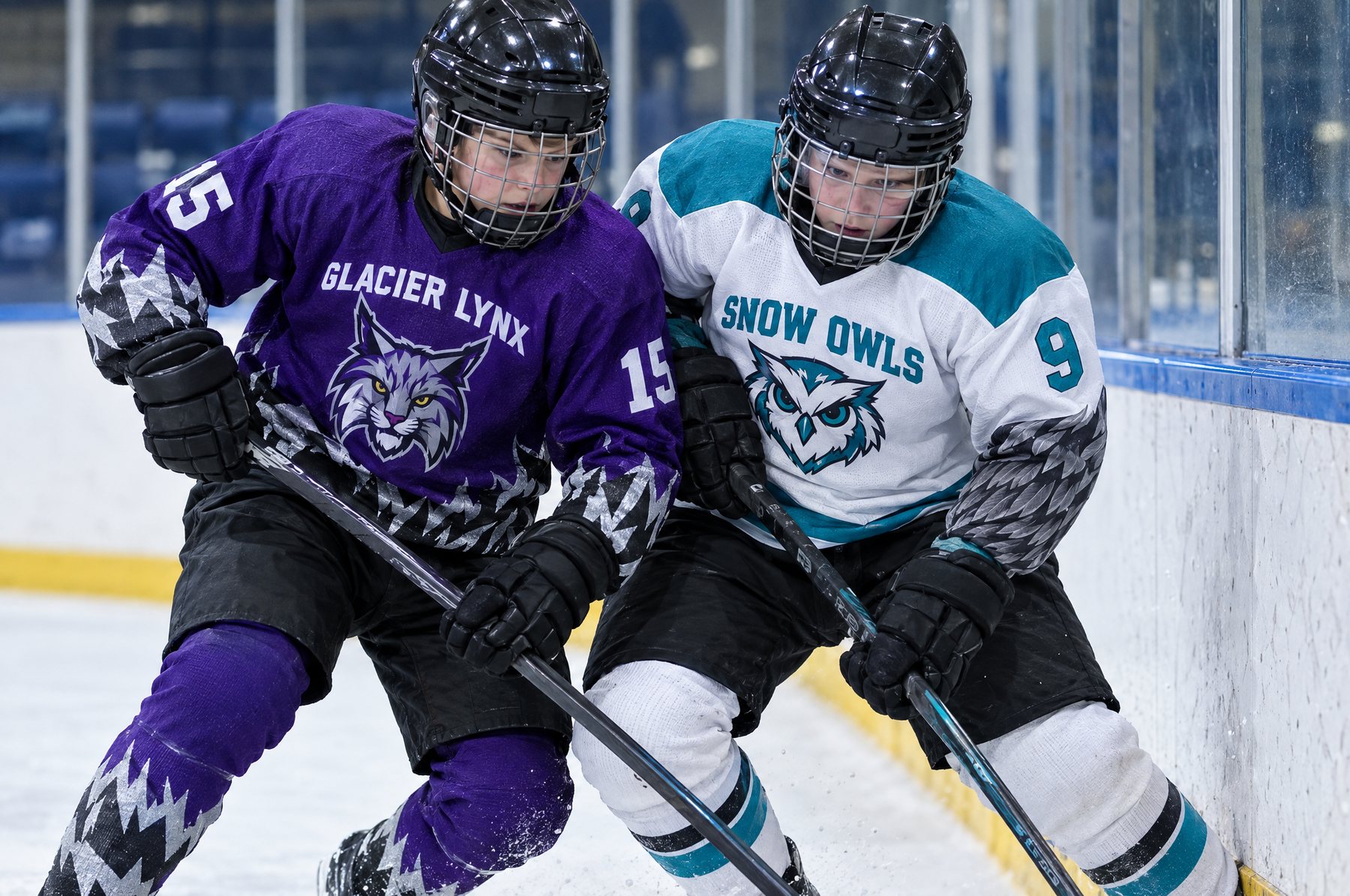
Yes, you can wash a hockey jersey in the machine: turn it inside out, close every velcro tab, wash cold on a gentle cycle with a mild detergent, skip bleach and fabric softener, and hang it to dry. Heat is the only thing that shortens the life of a polyester jersey, so the dryer and the iron stay out of the routine. Here is how to wash hockey jerseys, socks and practice jerseys so your team's colours look new all season.
Wash a hockey jersey inside out in cold water on a gentle cycle with a mild detergent, skip bleach and fabric softener, and hang it to dry: heat from a dryer or an iron is what damages a polyester jersey, and a sublimated jersey needs nothing more than that cold, gentle wash to keep its colours.
Can you wash a hockey jersey in the washing machine?
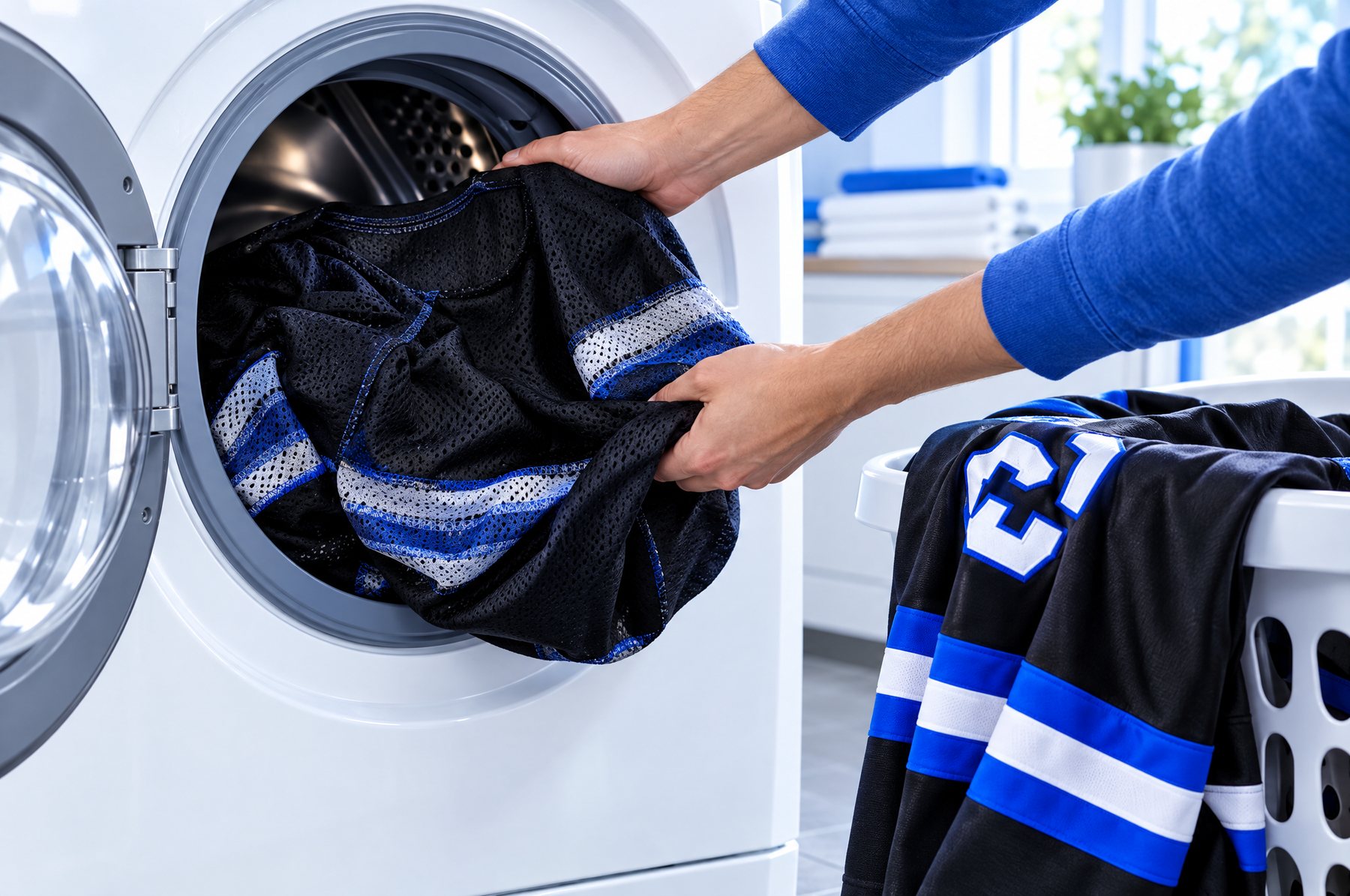
Yes. A hockey jersey is performance polyester, and polyester is one of the easiest fabrics you own to machine wash, as long as you keep the water cold and the cycle gentle. The first thing to check is the care label, because that label is the maker's own instruction for your exact jersey. Knowing how to wash a hockey jersey starts with reading it correctly.
Canadian care labels use a symbol system rather than long sentences. The Government of Canada's guide to apparel and textile care symbols explains the five basic symbols for washing, bleaching, drying, ironing and professional cleaning. The dots inside the wash tub tell you the water temperature: one dot means 30 degrees Celsius, two dots mean 40, three mean 50, and a tub with a hand means wash gently by hand in water no hotter than 40 degrees. A symbol with a cross through it means do not do that treatment at all. Your jersey label will almost always show one dot and a crossed-out iron, which is your whole routine in two pictures.
One detail worth knowing: care labelling is voluntary in Canada, but when a maker includes it, the Competition Bureau's textile labelling requirements say the information cannot be false or misleading and must accurately reflect an appropriate method of care. In other words, if your jersey carries a label, you can trust it over anything a teammate tells you in the dressing room.
How do you wash a hockey jersey step by step?
The whole routine takes five minutes of your attention and one gentle cycle. Do it the same way after every game and you never have to think about it again.
- Rinse the sweat out first. If you cannot wash the same day, rinse the jersey in cold water in the sink and hang it, so sweat and bacteria do not sit in the fibres overnight.
- Close every velcro tab and turn it inside out. Fight straps and sock tabs snag sublimated fabric and stitching. Inside out protects the lettering and the crest from rubbing against the drum.
- Pretreat any stains. Blood, grass and mud get a cold water soak. Puck marks and tape residue get a drop of liquid detergent rubbed in with your thumb. Never rub a stain with hot water.
- Wash cold on the gentle or delicate cycle. Use a mild detergent and less of it than the cap suggests, because leftover detergent stiffens polyester. Wash your team jerseys with other jerseys or on their own, never with towels, jeans or anything with zippers.
- No bleach, no fabric softener. Chlorine bleach can dull threads and elastic, and fabric softener coats the fibres, traps smell and blocks the wicking your jersey is built for.
- Add an extra rinse. A second rinse pulls out detergent and the last of the odour.
- Hang to dry. Reshape the jersey, hang it on a wide hanger or lay it flat, and keep it away from direct heat and direct sun.
That is the entire method for every ice hockey jersey in your bag: game sweater, practice jersey, hockey socks and the base layer under them, whatever hockey league you play in. The only changes come from how the jersey was decorated, which is the next section.
Do sublimated jerseys need different care than twill or printed jerseys?
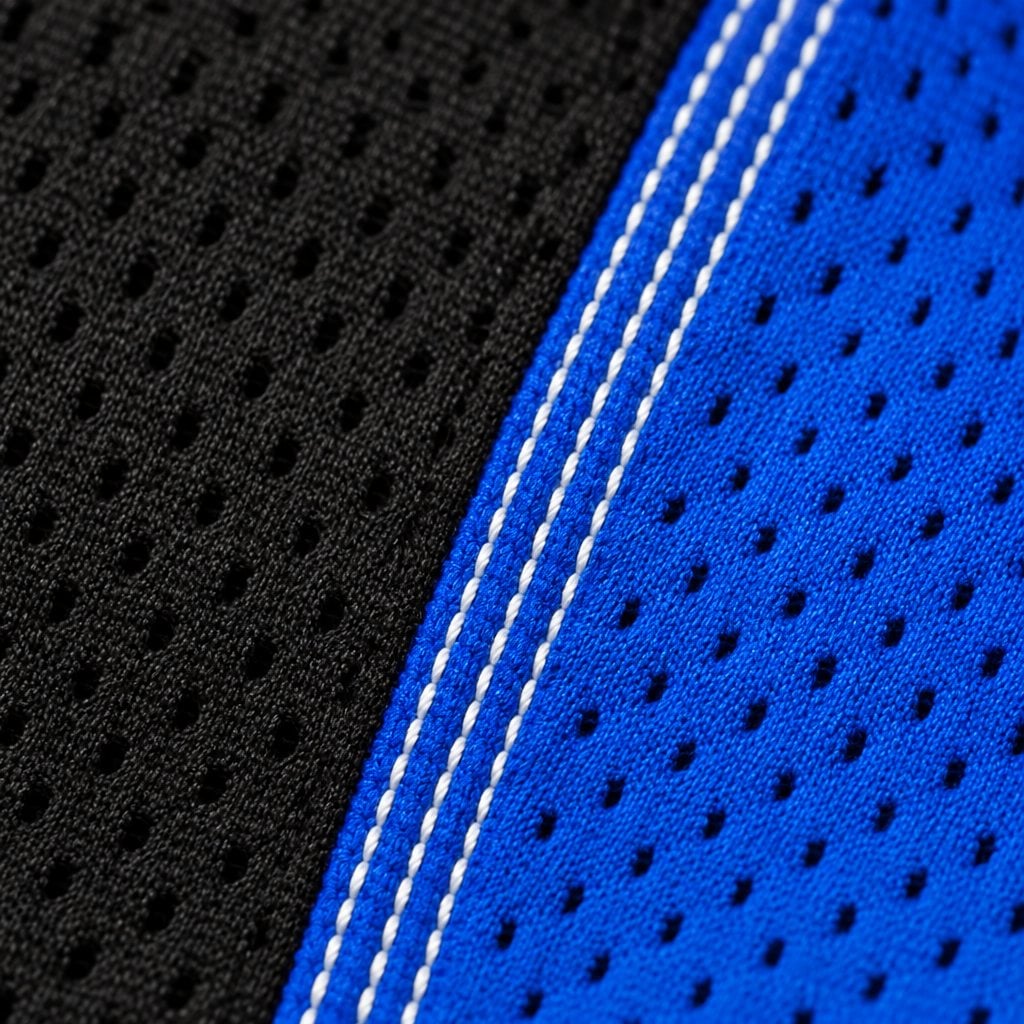
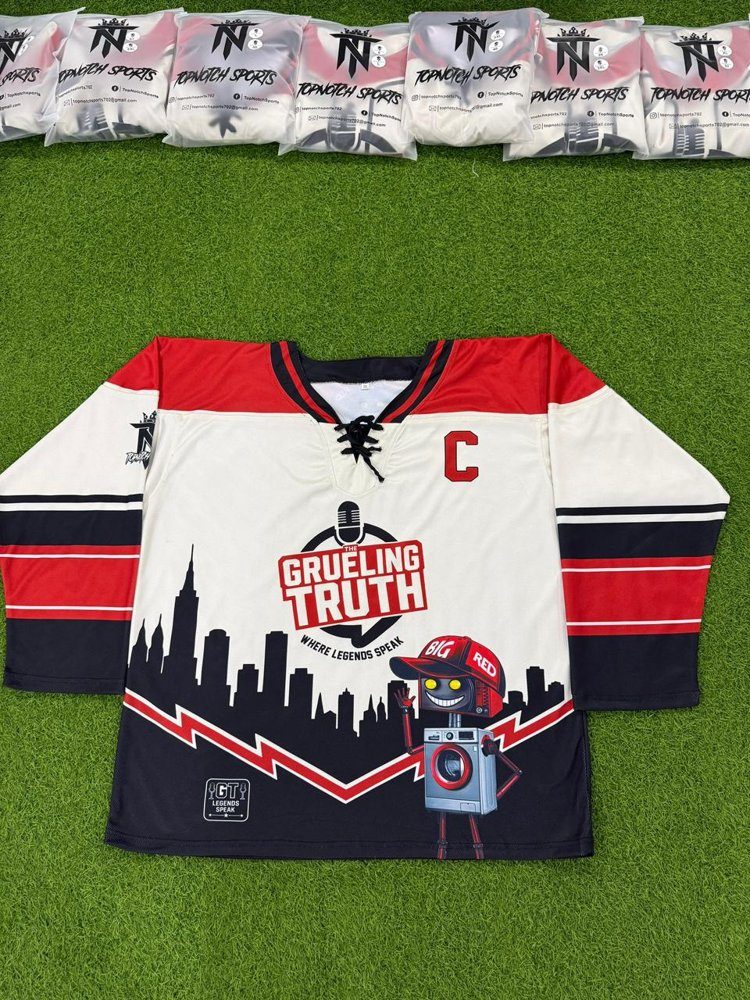
Sublimated jerseys are the easiest of the three to care for, and the reason is in the fabric. On a sublimated jersey the design is dyed into the polyester fibre itself, so there is no layer on top to crack, peel or fade. Every Top Notch hockey jersey is made this way, which is why the cold, gentle routine above is the whole job: the colours are part of the fabric and they leave the wash the same shade they went in. Our Custom Hockey Jerseys page shows what that looks like in your colours.
Twill and embroidered jerseys need a little more respect from you. The crest, names and numbers are stitched onto the jersey, so the threads and the edges of the twill are the weak points. Turn the jersey inside out every time, keep the cycle gentle so the embroidery does not rub against the drum, and never iron over the stitching. Applique logos, which Top Notch also offers for a premium finish, follow the same rule: protect the edges and let them air dry flat.
Screen printed and heat transfer jerseys carry their design on the surface of the fabric, and heat is their enemy. A hot dryer softens the print, an iron melts it, and a hot wash loosens the edges over time. Wash them cold and inside out, hang them to dry, and never press the print, and they will last. If your team has a mix of decoration types in the bag, treat every jersey like the most delicate one and you cannot go wrong.
How do you get blood, grass and puck marks out of a hockey jersey?
Treat the stain before the jersey goes in the machine, and treat it with the right temperature. The University of Kentucky Cooperative Extension guide Stain Removal for Washable Fabrics puts blood, grass and mud in the protein group, and its instruction for that whole group is two words: soak in cold water, then launder. The guide explains that hot water used first cooks the protein and binds it into the fibres, which makes the stain far harder to remove. So a bloody nose on a white jersey gets a cold soak in the sink, a little liquid detergent worked in with your fingers, and then the normal cold wash.
Three more rules from the same guide apply to every stain on your jersey. Treat it as soon as you can, because fresh stains come out and old ones set. Test any stain remover on a hidden spot such as the inside hem before you use it on the crest, and stop if the colour changes. And never iron a stained jersey, because heat sets stains permanently. Add one rule of your own: do not put a stained jersey in the dryer, since dryer heat sets a stain the same way an iron does.
- Blood, grass, mud: cold water soak, liquid detergent, cold wash. Repeat before drying if any trace remains.
- Puck marks and board scuffs: rub liquid detergent into the black mark, wait ten minutes, wash cold.
- Tape residue and skate grease: these are oil-based, so work a heavy-duty liquid detergent into the spot before the wash, and use the warmest water your label allows for that one load.
- Sweat and yellowing at the collar: pretreat with a prewash stain remover or rub with bar soap, then wash. Stubborn rings respond to an oxygen bleach soak on white and colourfast jerseys, tested first.
Skip chlorine bleach entirely on your jerseys. It is hard on threads, elastic and lace-up collars, and an oxygen bleach handles the stains it would have handled without the damage.
How do you get the hockey smell out of a jersey?
The smell is bacteria feeding on sweat trapped in the fibres, and the fix is time and rinsing, not heat. Get the jersey out of the bag the moment you get home and hang it to air, even if the wash waits until tomorrow. A jersey that dries out in the open loses most of its odour on its own. A jersey that sits wet in a zipped bag for two days grows the smell you are trying to kill.
In the machine, use the extra rinse every time and skip fabric softener until the odour is gone, because softener masks smell rather than removing it. For a jersey that has crossed the line, soak it for an hour in cold water with a cup of white vinegar before the wash, then run the cold cycle with your usual detergent and the extra rinse. The stain removal guide above notes that most odours come out with one or more launderings, so repeat the cycle rather than reaching for hot water.
Two habits prevent the problem for your whole hockey team. Hang every jersey, sock and base layer after every skate, and wash them every week during the season even if they look clean. Sweat you cannot see is still in the fabric, and a weekly cold wash keeps a youth hockey jersey smelling like nothing at all.

How should you dry a hockey jersey?
Hang it or lay it flat, and let the air do the work. Polyester dries fast on its own, usually overnight, so there is no reason to put a jersey through a heated dryer cycle. The square drying symbols on your label spell this out: the government care symbol guide shows separate marks for tumble dry at set heat levels, line dry, drip dry and dry flat, and a crossed-out square means keep it out of the machine dryer completely.
Use a wide plastic or wooden hanger so the shoulders keep their shape, or lay the jersey flat on a rack for a heavier sweater. Keep it away from radiators, baseboard heaters and direct sun, all of which can set any stain you missed and stiffen the fabric. Never wring a jersey. Squeeze it gently, then hang it.
If you have to use a dryer for a next-morning game, run it on air only with no heat and pull the jersey while it is still slightly damp to finish on a hanger. And never iron a jersey. The crest, the numbers and the sublimated colours all live on polyester, which softens under an iron, and the label's crossed-out iron symbol is there for exactly that reason.

How do you wash hockey socks and practice jerseys?
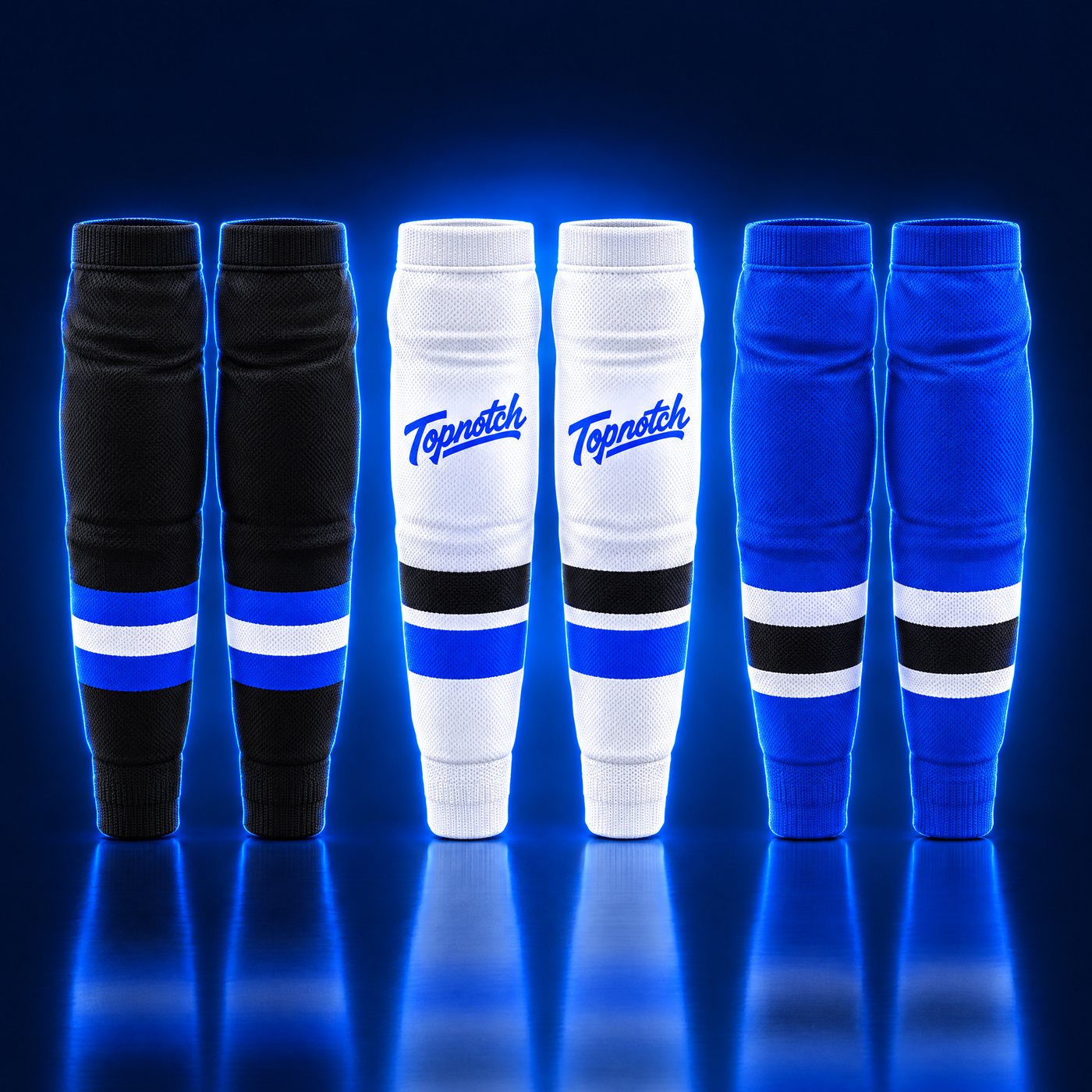
Hockey socks follow the same routine as your jersey with one extra step: close the velcro tabs before they go in, because open tabs hook onto everything else in the load and pull threads out of sublimated fabric. Turn them inside out, wash cold on gentle, and lay knit socks flat to dry so the weight of the wet fabric does not stretch them longer. Sublimated performance socks, like our Custom Hockey Socks, dry on a rack in a few hours and keep their stripes exactly as they were printed.
Practice jerseys get more use than game sweaters, so wash them more often, not harder. Cold water, gentle cycle, inside out, hang to dry, every week at minimum. Because most teams order practice jerseys in the same sublimated fabric as their game jerseys, the colours do not run and you can wash the whole set together. Our Practice Jerseys come in your team colours so the bench looks as sharp as game night.
Base layers and neck guards go in the same cold load. Nothing in your hockey bag needs hot water, and nothing in it benefits from a hot dryer, so one gentle cold cycle after every skate covers all of it.
What ruins a hockey jersey?
Almost every ruined jersey we see went wrong in the same five ways. Hot water fades printed designs and sets stains. A heated dryer shrinks, stiffens and melts surface prints. An iron does the same damage in seconds. Chlorine bleach dulls threads and eats at elastic and collar lacing. And a wet jersey left in a zipped bag grows mildew and a smell that takes weeks to remove. Skip those five and your jersey will outlast the season.
This matters on a custom order because washing damage is on you, not the maker. Top Notch remakes and reships any verified manufacturing or customization error you report within 3 business days of delivery, with photos, at no charge. Damage from improper washing, drying, handling or storage is not a manufacturing error, which is one more reason to hang the jersey the night it comes off the ice.
Sublimation is the other reason the care routine is so short. When your team colours, logo, names and numbers are dyed into the fabric rather than printed on top, there is nothing to peel, crack or fade, and cold water and a hanger keep every jersey looking like delivery day. If your current jerseys are showing their age, send your colours and logo through the form on this page and a Top Notch designer replies within 1 business day with a free mockup of a sublimated jersey built for your team. Your next set will be the easiest one you have ever washed.
Questions about how to wash a hockey jersey
Can I wash a hockey jersey in the washer?
Yes. Turn it inside out, close every velcro tab, wash it cold on a gentle cycle with a mild detergent, and hang it to dry. Keep it out of the heated dryer and away from the iron.
How do you wash a jersey without ruining it?
Cold water, gentle cycle, inside out, no bleach and no fabric softener, then air dry. Wash it with other jerseys rather than towels or jeans, and pretreat stains in cold water before the cycle.
How can I remove stains from hockey jerseys?
Soak blood, grass and mud in cold water first, because hot water sets protein stains. Work liquid detergent into puck marks and tape residue, test any stain remover on the inside hem, and never dry or iron the jersey until the stain is gone.
Can I use bleach on a hockey jersey?
Skip chlorine bleach, which dulls threads and damages elastic and collar lacing. Oxygen bleach is the gentler option for a stubborn stain on a white or colourfast jersey, and you test it on a hidden spot first.
Can you put a hockey jersey in the dryer?
Avoid it. Dryer heat shrinks and stiffens polyester and melts surface prints. If you are stuck before a morning game, run the dryer on air only with no heat and finish the jersey on a hanger.
Does washing fade a sublimated jersey?
No. On a sublimated jersey the colour is dyed into the fibre rather than printed on the surface, so a cold gentle wash leaves it the same shade every time. Heat is the only thing to avoid, and that is true for the fabric, not the colour.
How often should you wash a hockey jersey?
After every game and practice if you can, and at least once a week during the season. Hang it to air the same night it comes off the ice so sweat never dries into the fibres.
Sources
- Guide to Apparel and Textile Care Symbols, Office of Consumer Affairs, Innovation, Science and Economic Development Canada (verified 2026-09-26)
- Textile labelling requirements, Competition Bureau Canada (verified 2026-09-26)
- CAN/CGSB-86.1-2003, Care Labelling of Textiles (national standard record, marked withdrawn), Canadian General Standards Board via Government of Canada Publications (verified 2026-09-26)
- Stain Removal for Washable Fabrics (H.E. 2-840), University of Kentucky Cooperative Extension Service (verified 2026-09-26)
About Top Notch Sports
Top Notch Sports makes fully sublimated custom team uniforms for 20 sports, hockey first. Every team gets a free mockup before paying, unlimited revisions, and a design kept on file for reorders. See the hockey line or start your free mockup.